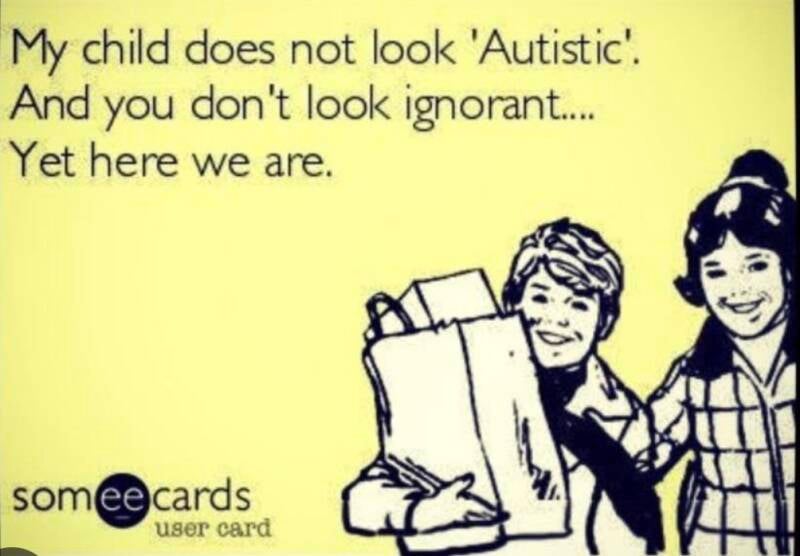
“My child does not look autistic. And you don't look ignorant... Yet here we are.”
If you’re a parent of an autistic child, chances are you’ve had to swallow down your frustration when hearing comments like that. How many times have you heard:
-
"But they look so normal!"
-
"They make eye contact, though."
-
"Are you sure? They seem fine to me."
It is deeply exhausting to constantly defend your child's diagnosis to family, friends, and—worst of all—the very professionals who are supposed to support them.
The reality is simple: autism does not have a "look." Invisible needs are still very real needs.
Just because a child doesn't fit an outdated stereotype doesn't mean they aren't struggling. Often, these children are masking their challenges, using every ounce of energy they have to function in a neurotypical world that wasn't built for them. By the time they get home, they are burnt out, overwhelmed, and completely spent.
When Stereotypes Block Support
When schools or local authorities fall into the trap of assuming a child "looks fine" or isn't "autistic enough," it becomes much more than a minor annoyance. It actively blocks your child from accessing statutory support, adjustments, and the legal protections they deserve.
You might hear excuses like:
-
"They’re doing fine academically, so they don't need extra help."
-
"We don't see those behaviors at school."
-
"They seem quiet and polite in class."
This dangerous logic delays Education, Health and Care Plan (EHCP) assessments, reduces tailored classroom provisions, and leaves parents fighting an uphill battle just to prove their child needs help. You shouldn't have to spend all your energy educating the professionals who are supposed to be helping your child.
Cutting Through Assumptions with Evidence and Law
When subjective opinions fail your child, objective legal frameworks and evidence become your strongest tools.
As an independent SEND advocate, I know how to cut through ignorance, outdated stereotypes, and misplaced assumptions. We don't rely on whether someone "thinks" a child looks or acts autistic. Instead, we use:
-
Professional Reports: Incorporating detailed assessments from occupational therapists, speech therapists, and educational psychologists that capture hidden and sensory needs.
-
Legal Frameworks: Enforcing the statutory duties local authorities and schools hold under the Children and Families Act 2014 and the SEND Code of Practice.
-
Impact Statements & Evidence: Documenting masking, home meltdowns, and sensory challenges to prove the true extent of the child's daily struggle.
This ensures your child's invisible needs are fully recognized, respected, and legally secured in their EHCP.
Let’s Get Your Child the Provisions They Deserve
It's time to stop wasting precious energy trying to convince people that your child's needs exist.
Your child deserves to be understood, accommodated, and supported without having to conform to someone else's idea of what disability looks like.
-
Need an advocate in your corner? Visit www.practicalsendsolutions.co.uk to learn how we can ensure your child gets the legal support and understanding they are entitled to.